Welcome to the

ALO Physiotherapy Clinic

We are driven by the professional desire to produce quantifiable results with our clients facilitating their recovery from injuries.
Our philosophy is to place you at the centre of our care and combine the medical with the holistic approach to treatment.
We have a 4-step approach when working with our clients: We Assess, Treat, Rehabilitate & Deliver!

BOOK NOW . GETTING HERE . ALO BLOG


ABOUT US

Our Practice

ALO Physiotherapy Clinic was founded in 2000 by Director, André de Oliveira. Since its establishment the clinic has maintained a reputation for individualised patient care with superior quality service.

The facility is centrally located in 20 Harley Street which has four modern and fully equipped treatment rooms overlooking a quiet garden. The atmosphere in the clinic is very calm and relaxing for an ultimate tranquil experience.

Our Aim

Physiotherapy aims to restore a person’s maximum functioning by use of expert examination of posture and movement. A physiotherapist undertakes an individualised assessment and develops a specific rehabilitation plan for each person, so that maximum level of function may be achieved depending upon the individual’s needs, and goals.

The aim of physiotherapy is to get people moving, in whatever capacity the individual is able to. If a person’s mobility is limited because of factors such as pain, stiffness, weakness or poor balance, then the physiotherapist will work towards improving these factors such that mobility can be enhanced. The physiotherapist’s aim is to create long term recovery and prevent any recurrence to your injury.

Our Philosophy

At the ALO Physiotherapy Clinic, we have a 4-step approach when working with our clients:

1st We Assess

We begin by assessing the area that is concerning you. We look at your function, movement, degree of pain and discuss how this is impacting your day-to-day activities. In the event that you need an MRI or other investigation, we have team of Consultants who can work with you.

2nd We Treat

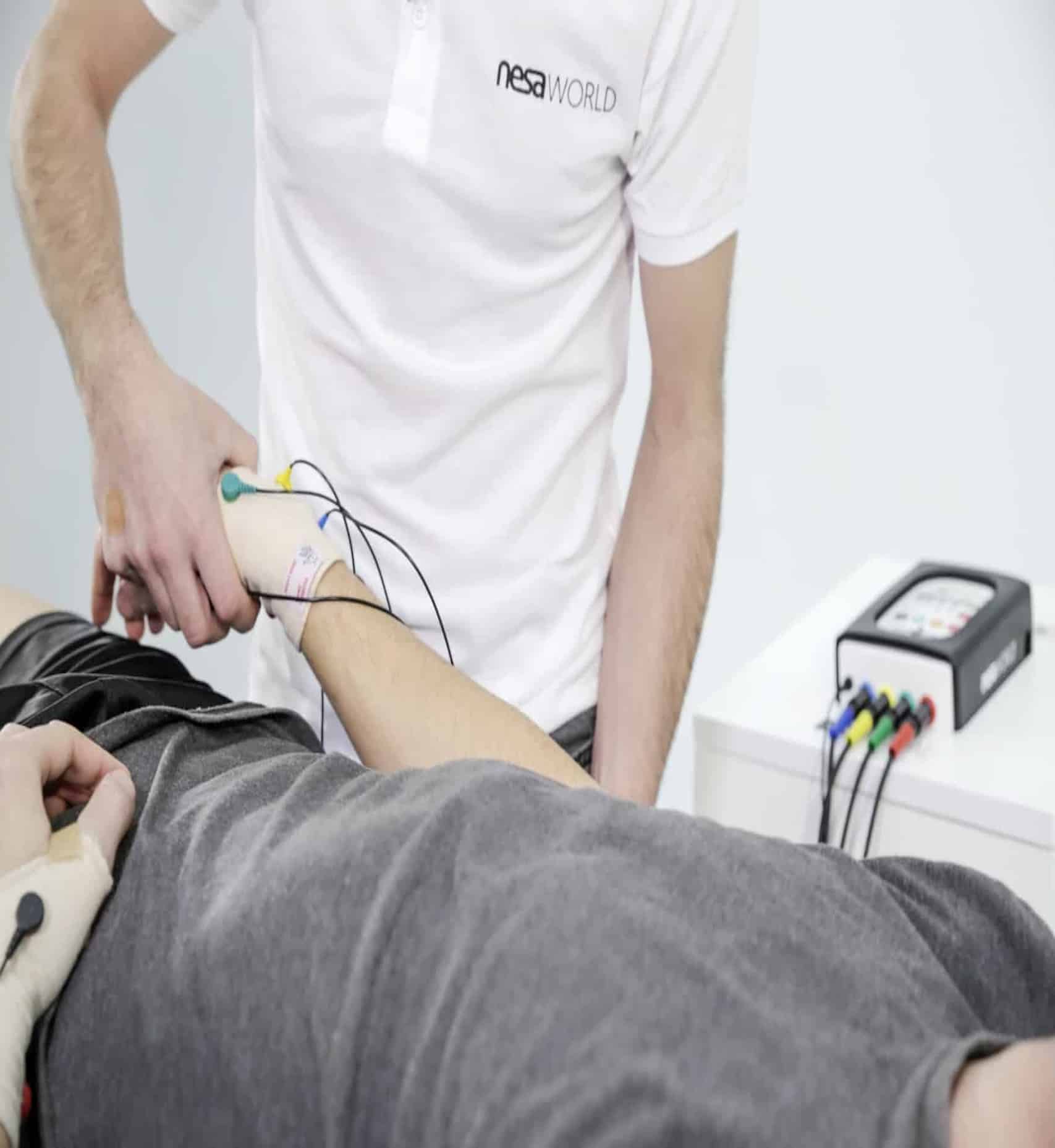
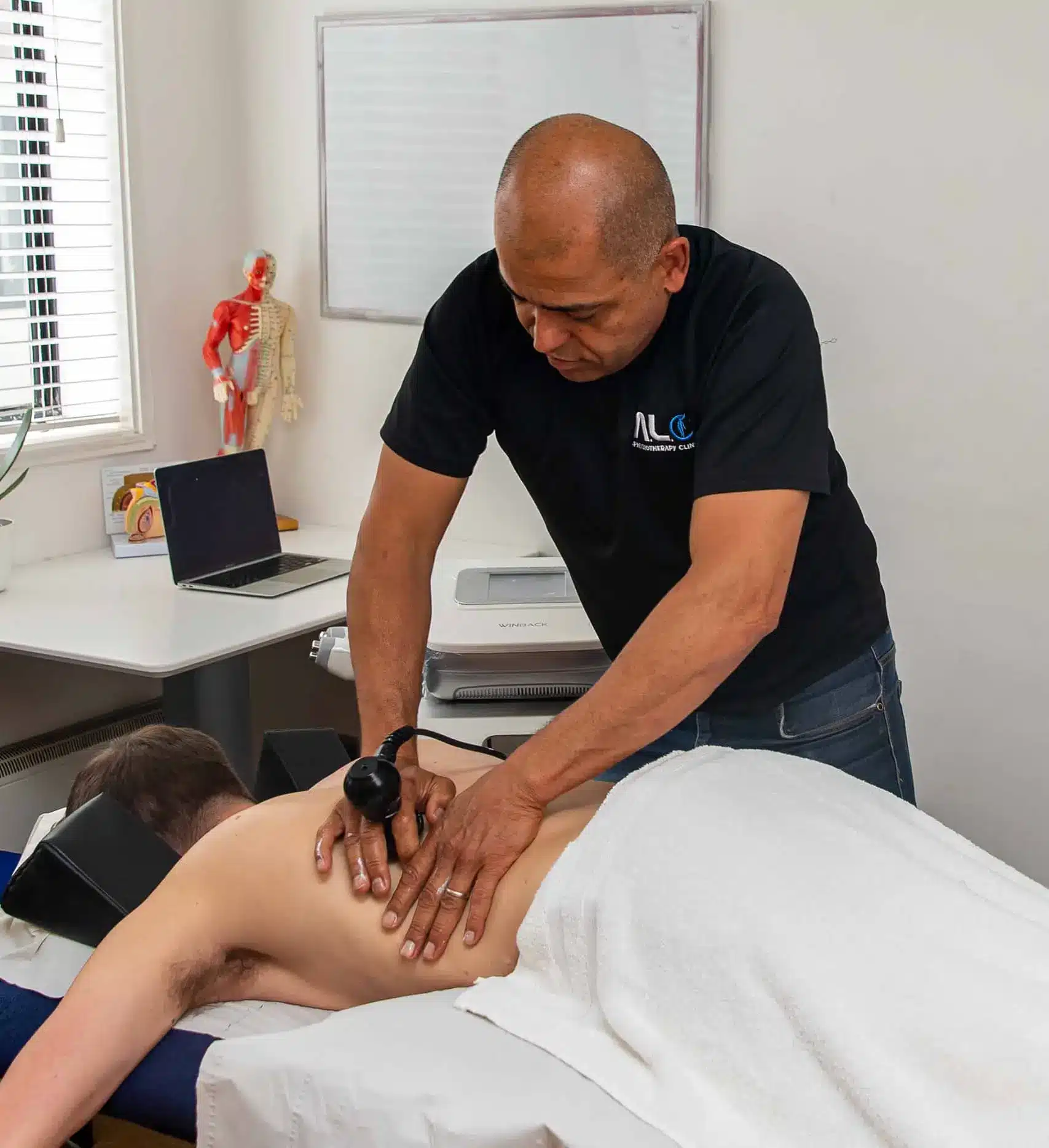
Next, we treat you. During this phase, we will present different treatments for you that are designed to reduce pain and improve function. These include manual techniques, improvements in posture, acupuncture or electrotherapy.

3rd We Rehabilitate

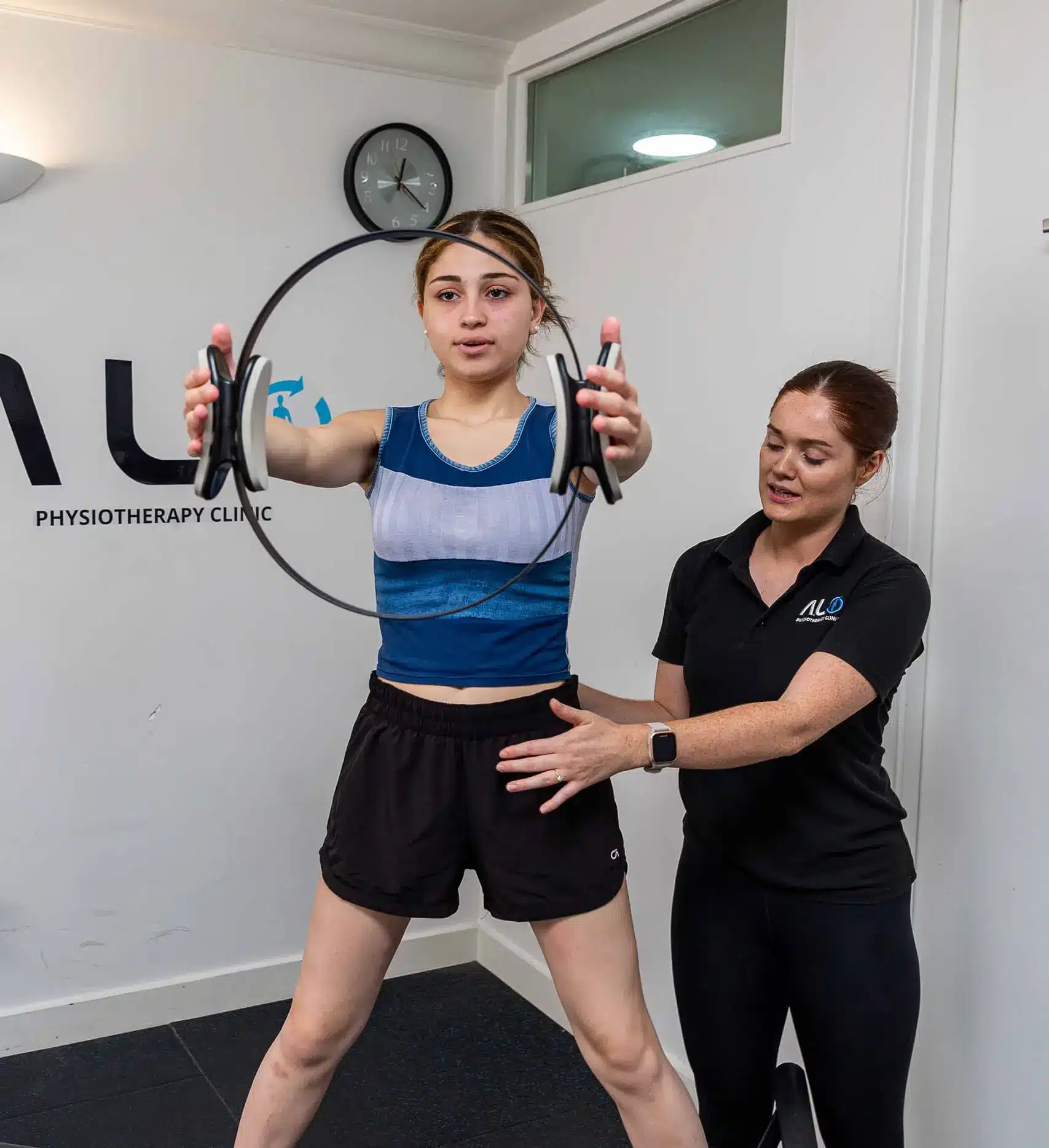
Once pain and function is better, we begin the rehabilitation phase. Our goal is to prevent your injury from returning by using strengthening excercises, coaching on running styles, postural re-education, Yoga and Pilates.

4th We Deliver!

Too much emphasis is placed on getting better fast – sometimes, things take time to improve fully. Especially when dealing with the very root of the problem. We will get you better as quickly as possible, whilst paying attention to the problem’s demands. This way you can return to enjoying life at its fullest, without fear of recurring pain. The A.L.O team is always at hand for follow up advice should you need it.


OUR TEAM

Introduction

The A.L.O physiotherapist team share the Oliveira passion for holistic healing, and most importantly, love what they do. The team offers a diverse range of specialties and combined, makes for a highly complementary portfolio of skills. The team has a healthy, thriving professional atmosphere and should you require it, a wide network of specialist and consultants to refer you to should you need.

André de Oliveira

BSc (Hons), MCSP, SRP

André de Oliveira

André is a chartered physiotherapist and the owner of ALO Physiotherapy Clinic on Harley Street in London. He specializes in the treatment of the back, neck and knee pain and he thrives on the strong belief that as the history of our lives becomes our biology, treating any condition holistically is the way forward for effective rehabilitation. He also has a keen interest in sports and he is currently involved in treatment and preventative screening programs with a number of groups, such as gymnasts and golfers.

Andre is originally from Brazil where he obtained his first degree in Sport Science. His drive for achievement then led me to secure an honours degree in Physiotherapy at the University of East London (UEL) in 1998. He has worked at many of the leading hospitals in London, including the Royal London Hospital and Northwick Park where he has obtained extensive clinical experience in the areas of orthopaedics, elderly care, sports injuries and post-surgical care.

Carolyn Bailey

Physiotherapist and Clinical Pilates

Carolyn has 11 years experience as a physiotherapist, and came across Pilates when she was School Physio for the Central School of Ballet in London. She then combined her Pilates training with her physio experience to create a holistic approach to rehabilitation. Carolyn's expertise is tracing the source of pain and injury and correcting movement dysfunction, joining forces with her client in an active treatment plan.

Ava Katics

MCSP HPC

Ava Katics

Ava is a physiotherapist with 20 years experience. She began her career in the NHS where she worked for 7 years before moving into the private sector to expand and develop her work in occupational health, corporate and private physiotherapy clinics. She nurtured an interest in dance injuries and rehabilitation, as well as working on injury prevention; she has worked and toured extensively both nationally and internationally with dance companies and has wide and varied experience of working with professional dancers, actors and musicians.

Ava’s work as a physiotherapist includes Northern Ballet Theatre, Rambert Dance Company, Shobana Jayasingh Dance Company, Matthew Bourne’s New Adventures, The National Theatre, West End Productions, and the Royal Opera House 2 productions.

She specialises in the treatment and of work related neuromusculoskeletal dysfunctions, dance and sports injury prevention and rehabilitation.

She is committed to pursuing her professional development and has attended numerous postgraduate courses, which include Acupuncture, Manipulation, Sports Physiotherapy and Clinical Pilates.

“I believe that each person is unique and I get great job satisfaction from identifying the cause of their problem. My wide-ranging experience enables me to use a broad variety of treatments to correct posture, restore muscle balance and a return to pain free movements of the body, enabling people to return to work, sport or leisure activities as soon as possible. I also think that it is important for a person to understand the nature of their problem and will work with them to develop a preventative programme to minimise the risk of re-injury”.

Ava is a registered physiotherapist with all the major private health insurances incl. BUPA.

She is a member of: CSP, AACP, ACPSM, OCPPP and Dance UK.

Craig Burlinson

MCSP HPC MAPA

Craig Burlinson

Craig is an Australian trained physiotherapist with experience in both the NHS and private practice. Originally starting work in Australia, Craig was part of a team of physiotherapists contracted to work with the Royal Australian Army treating personel for various sporting, work-related and combat injuries. Craig also developed an interest in the treatment of athletics and racquet sport injuries while in Australia after heading up a physiotherapy and sport injury clinic.

After moving to the UK 7 years ago, Craig worked in the NHS for 1 year before returning to private practice where he treated BA and Heathrow Airport staff. During his time in the private sector Craig has worked with national and international level swimmers, runners, martial artists and tennis players. He has helped numerous runners complete and recover from the London Marathon, helped Britons prepare for and recover from skiing holidays and even helped a swimmer sucessfully swim the English Channel. Over the past 3 years Craig has provided physiotherapy to the participants of the Save The Children Charity corporate tennis tournaments at Roehampton, Queens and Wimbledon tennis clubs.

Much of his recent experience has been corporate based, working within blue chip companies with patients who range from CEOs, directors and partners to personal assistants, trainee solicitors and cleaning staff.

As well as sporting and musculoskeletal injuries , Craig's interests lie in worksite and TMJ related conditions and the repetitive strain injuries associated with musical instrument playing and singing.

Craig's treatment will always be hands-on in nature but he strives to empower patients towards self management via education and providing home exercises that help prevent recurrences and new injuries. He treats all his patients wholistically, often picking up on associated weaknesses or joint problems that the patient's previous therapists have missed.

Craig is a qualified acupuncturist, holds a post graduate qualification in orthopaedic medicine and is studying for a Masters of Sports and Exercise Medicine. He is a member of both the British Chartered Society of Physiotherapy and the Australian Physiotherapy Society. Craig is registered with all the major private health insurances.

Massimiliano Gangi

MCSP, AACP, CPMaSTT

Massimiliano Gangi

Max graduated from the Universita’ Statale of Milano in 1992. Since that time he has worked as a musculo-skeletal specialist in Milano and recently England, based mainly in private clinics.

Max developed an extensive specialist expertise in treatment and rehabilitation of back and neck issues integrating Soft tissue therapy, Postural Enhancement, Acupuncture and exercises.

Max prides himself on providing individualised care to patients to help them achieve their return to functional activities and assist in the reduction of symptoms.

When he is not treating patients, Max is passionate about cooking, DIY and reading.


CONDITIONS TREATED

Neck Pain and Whiplash

Neck pain is a common pain developed by many people at some point in their lives. The neck contains the top end of the spine, which supports the head and also protects the spinal cord. Many people develop stiff and painful neck due to muscular tightness whereas whiplash is caused by sudden jolt or jerk like from rear-end collision in a car. Physiotherapy techniques like massage, manipulation, active or passive mobilisation and active exercises are used to help cure the pain.

Headache

Headache is usually caused by changes in pressure in the blood vessels feeding the brain which act on the nerves. Common causes are tension, migraine, eye strain, dehydration, low blood sugar, hypermastication and sinusitis. Migraine headache is a very strong pain which can be accompanied by nausea, vomiting, visual disturbance and vertigo. Tension headache or muscular contraction headache is usually caused by worry or stress and thought to result from chronic contraction of the muscles of the scalp and neck. Physiotherapy can relieve tension in the muscles causing the pain.

Back Pain and Sciatica

Back pain can be caused by injury, poor posture, heavy lifting, inflammation, and rarer, more serious problems such as progressive diseases affecting bones and joints. With physiotherapy, relaxation and movement restoration can be achieved.

Sciatica is the pain that radiates from the lower back down one or other legs. One of its most common causes is a ‘slipped disk’ which exerts pressure on one of the roots of the sciatic nerve.

Thigh and Groin Pain

Thigh pain is caused by muscle strain which are common in explosive sports such as sprinting, involving especially the hamstring muscles. Other causes of pain are stress fracture, sciatica or compartment syndromes. The most common cause of groin pain is strain of the adductor muscles of the leg at the tendon and muscle junctions. Groin strains are common in soccer and when injured it is particularly important that you warm up with a fast walk before you start with exercise. Your physiotherapist will help you achieve a proper rehabilitation of your injury ensuring the exercises are performed with good technique.

Sports Injuries

Injuries that occur during sports or exercises should not be ignored as it can lead to an overuse injury like a sprain, strain or fracture to part of the body that has been used repetitively. Improper exercises can cause injuries specially in gyms if not supervised. Many acute injuries to joints, muscles, tendons and ligaments are accompanied by bleeding, swelling and pain. In these cases, treatment must be immediate.

Ankle and Foot Problems

Sprains or ligament injuries of the ankle joint occur frequently in both sporting and no-sporting situations. Injury to the ligaments will cause pain and inflammation and possibly limit future function if correct rehabilitation is not carried out.

Foot Injuries in running are multifactorial. Factors that influence the distribution of load include: anatomical features, body weight, shoe type, running surface, technique, and training program. Nearly the 80 % of the population has foot problem that can be often be corrected by proper assessment, treatment and orthotics (support foot wear).

Learn about Bio Mechanics and Functional Gait Analysis.

Shoulder Pain

Shoulder pain can occur from pain elsewhere in the body. For example, a nerve being pinched by the vertebrae in tour neck could affect your shoulder. The most common cause of pain restricted only to the shoulder is the inflammation of the ‘soft tissue’ and tendons around the joint. The shoulder is a very mobile joint, and its mobility puts it under stress. Physiotherapy treatment for shoulder pain will include soft tissue mobilisation, posture re-education, massage and exercises for recovery.

Muscle and Joint Injuries

Muscle pain with soreness, tenderness, and sometimes swelling of the muscles, can appear after a few hours after strenuous training. Untrained individuals who are suddenly subjected to strenuous exertion, muscle changes appear in the form of tissue damage to the small elements of the muscle fiber. Joint injuries can be treated by determining the origin of the pain and healing by reducing the symptoms.

Tennis and Golfers Elbow

Tennis elbow is the bony part you can feel on the outside of your elbow joint. It is often prominent and consequently it can easily be knocked, which causes soreness and bruising. Different people experience varying degrees of pain ranging from a mild discomfort when the arm is used, to an ache severe enough to prevent them sleeping. The pain is made worse by gripping or twisting movements. Golfers elbow occurs when the tendon is injured or overused on the inside of the elbow. Your physiotherapist will help you regain the strength by heat and massage and rehabilitation techniques.

Arm, Wrist and Hand Pain

Arm pain is caused by result external pressure or repetitive one-side movements, the extensor and flexor muscles of the forearm and their tendons and tendon sweaths are subject to overuse injury. The wrist and hand are complex anatomic structures that allow a wide variety of positions and functions. This is necessary to carry out the complex tasks that are required from the hand, such as writing, grasping.

People injure their hands because of its constant involvement in almost all activities.

The most common hand problems are:

Carpal tunnel syndrome:

This condition arises when there is a compression of the median nerve in the wrist. It may occur without any obvious cause, but it is also a frequent complication of both rheumatoid arthritis and osteoarthritis.

Tendon rupture:

The muscles in the forearm move the fingers by acting through tendons that pass across the hand ad wrist. These tendons are lined with a similar material to that which lines joints and may be damaged by some forms of arthritis. For these reasons arthritis of the wrist may lead to the rupture of a tendon, and as a result movement of the affected finger will be impaired. Physiotherapy can assist to improve hand functions.

Repetitive Strain Injury

The injury caused to muscles, tendons or nerves by repetitive movement of a particular part of the body is called RSI. RSI is also linked to many types of repetitive work like overuse of computer keyboard, musical instruments or other activites requiring repetitive movements. Your physiotherapist will guide you through ergonomics and maintaining a good posture while doing activities.

Leg and Knee Problems

The main causes of leg pain are injuries, muscle cramps, inflammation, nerve damage, and other conditions. Fractures of the lower leg occur most frequently in alpine skiers but also in cross country skiers, riders and participants in contact sports such as American football, soccer, rugby and ice hockey.

Knee pain is a joint in the middle of the leg which joints the femur and the tibia. This joint is particularly susceptible to traumatic injury because it is located at the end of two long lever arms. In most cases, the lumbar spine, hip, and ankle may refer pain to the knee, these joint must be assessed.

Biomechanics

Advanced Biomechanics Technology for Foot Orthoses and Lower Limb Health

ORTHOSES-BIOMECHANICS-GAIT ANALYSIS- FLAT FEET-INSOLES

Aristotle (384-322 B.C.) might be considered the first Bio mechanics specialist. He not only saw animals’ bodies as a Bio mechanics system, but pursued such questions as the physiological difference between imagining performing an action and actually doing it.

  • When walking our feet on average, spend six tenths of a second in contact with the ground.
  • Our feet and legs must perform certain functions in order to support and propel our body to move effectively.
  • Biomechanics assists us with Gait Analysis and Orthoses allowing the Bio mechanics practitioner to determine the extent to which an individual’s gait pattern has been affected.

Flat Feet

Most people have a gap between in the inner side of the foot and the ground they stand on which is called an arch.
  • Abnormalities occur in those who have Flat Feet/ fallen arches- feet that have a low arch or no arch and that will tend to roll over inwards.
  • Flat Feet, if not identified sooner is likely to develop into severe cases with gradual problems experienced in calf, knee, hip and back pain.

Causes of Flat Feet

  • Can be hereditary
  • A Biomechanics complaint- abnormal walking (as explained above), a ruptured tendon, cerebral palsy, spina bifida or muscular dystrophy

How can Biomechanics Gait Analysis solve this?

  • Orthoses with the Orthoscan system will not only allow for a solution to orthoses but also a therapeutic one where Bio mechanics pain will be relieved.
  • The Insoles cup the heel and supports the arch but because the Insoles are not flexible it does not extend the full length of the foot.
  • Orthoscan system has been developed as the Insoles repositions the arch with "brute force." Although the Insoles forces the arch into its correct position, the Orthoses does nothing to relieve the pressure that is forcing the arch to collapse, causing Flat Feet, in the first place.

How does it work?

  • Gait Analysis using the Orthoscan system has a three metre walk-way where each client is tested under a series of fifteen varied Bio mechanics static and walking tests.
  • Five video cameras are set to view your motion from different angles, at the same time and up to 60 frames per second.
  • The data reported by the Bio mechanics system is reviewed by an analysis team who processes the findings and provides the referring bio mechanics clinician with over 150 pieces of usable auditable measurement.
Therefore, Gait Analysis may reflect compensations for underlying pathologies, or be responsible for causation of symptoms. The study of Gait Analysis allows for these diagnoses to be made, as well as permitting future developments based on Gait Analysis results.
  • Physiotherapy and Provision of functional foot Orthoses: Gait Analysis is widely used in professional sports training to optimise and improve athletic performance and Gait Analysis is heavily used in the assessment of sports and investigations into Biomechanics.
  • A medical tool: Gait Analysis techniques allow for the assessment of Gait Analysis disorders and the effects of corrective orthopedic treatment or surgery where treatment options and corrections of distorted bony anatomy are also undertaken.
Thus, our generation is privileged with technology capable of delivering valid and reliable understanding and precise measurement with issues concerning- Biomechanics, Gait Analysis and solutions to enhanced Orthoses. Armed by bespoke technology led by our team of exceptional practitioners in Bio mechanics, we are better equipped to decide on a tailored treatment programme for you and effective Orthoses.


TESTIMONIALS

Anna Black

I have had a problem with my neck and collarbone for some years, and have seen many medical specialists, physiotherapists and osteotherapists to try and find a cure. I can safely say that André was far and away the most genuinely committed to helping me solve the problem, always taking an interactive approach and actually talking to me about my progress, which unfortunately is not always the case with medical practitioners. I made good progress, and I remain convinced that had I not moved out of the country for work reasons, I would now be free of pain under André’s expert guidance.

Scott

After having had surgery on an original lumbar prolapse, which was quickly followed by two further prolapses' I wanted to try alternative forms of therapy before pursuing the option of further surgery. This led to me meeting Andre at the ALO clinic for physiotherapy treatment combined with acupuncture. From my first meeting with Andre I stipulated that my two goals were to stop taking daily medication and secondly to return to some form of exercise routine. Andre is a very personable, experienced and genuinely likeable guy and it is down to his hard work, in-depth knowledge of spinal issues and ability to think outside the box that not only did I stop taking medication altogether from our first meeting but am now back to undertaking some exercise and cannot thank him more for his exceptional professional approach.

Mr M Sharp

I have always found the staff at ALO to be both friendly and extremely professional. ALO’s team of practitioners demonstrated both cutting-edge medical knowledge, and a high degree of dexterity to treat my condition. It was also pleasing to see that the team were happy to embrace holistic treatments when necessary, and encourage consultation with other specialists such as podiatrists to offer a complete treatment solution.

Mr E Fergusson

Since returning to the UK a few years ago I have been fortunate in finding a physiotherapy clinic, ALO in London, which has a very sympathetic approach to identifying, understanding and alleviating ones physical condition. I was not only cured of back and balance problems, but was given a number of progressive exercises to be done at home to strengthen my core muscles.

Ms R O'Mahony

I really appreciated how much care Andre took in monitoring my progress and in tailoring each session based on my feedback. Andre was truly committed to helping me to recover.


ALLIANCES

Our Alliances

No one develops without support! Along the years we have built a strong team of professionals we can refer our patients to if needed. A multidisciplinary team is what makes a difference when recovering from injuries.

RUNNER'S NEED . FITNESS FIRST . PROF. NICOLA MAFFULLI


BOOKING AND FEES

Booking

Booking an appointment can be done by phoning 0207 636 8845.

Please contact us directly to get more information regarding fees of physiotherapy sessions. First initial treatment session at ALO lasts 45 mins and the follow ups are 30 mins.

Discounts will be considered for students and individuals on benefits.

What to Bring

Documents

It is important to provide us with referral letters, scans, and previous reports. This will help the physiotherapist prepare for your session.

Clothing

Please bring a change of clothes. Shorts and or/a t-shirt, as well as old and new running shoes if appropriate (for example, for gait analysis).

Payment

Payment for treatment is required at the end of each session, we accept cards and cheques*.

* Price may vary please check prior to appointment.

Insurance

We accept all major health insurances (BUPA, Standard Life etc.)

What your provider will require from you

If you wish to claim your treatment costs from your health insurance, please be aware that you will need to be referred by a doctor or a consultant before receiving cover.

What we require from you

A reference/policy number and authorisation code. Please note: In certain cases we may deal with an insurer directly, for others it is necessary for you to do so. However, we are happy to provide you with a receipt to claim all of the cost of treatment, depending on your provider and insurance scheme.

* Please note our agreement is with the patient and not with the insurance, so if the insurance does not pay the patient is reliable.

Appointments Rescheduling and Cancellation

Please arrive on time – or notify us if you expect to be late. This gives other patients the chance to receive treatment.

If you fail to cancel within 24 hours you will be charged the full session fee.


CONTACT US

Getting Here


Map

SEE GOOGLE MAPS

Address

Suite 3, Harmont House
20 Harley Street
London, W1G 9PH
(Entrance on Queen Anne Street)

Phone

+44 0207 636 8845

Fax

+44 0207 637 4281

Email

alo@alo-physiotherapy.co.uk

Opening Hours

Monday to Friday: 8am to 7pm
Saturday: 8am to 1pm

Tube Stations

Oxford Circus, Regent's Park and Bond Street.


© COPYRIGHT - ALL RIGHTS RESERVED


This site makes use of the Adobe Flash Player 9 and JavaScript.

If your browser doesn't or has an older version of the player, you can download it here.

Click here if you're quite sure to have Flash 9 installed.